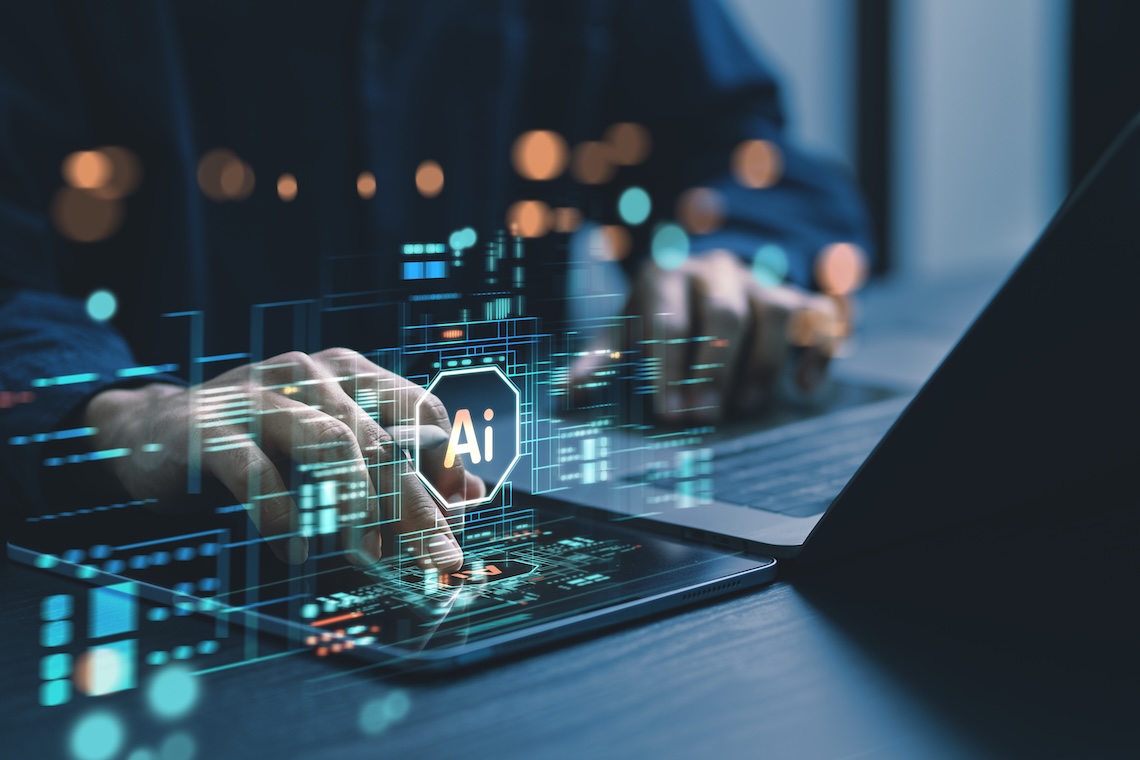
Artificial Intelligence (AI) now appears in everyday tools: rostering systems, task-allocation platforms, monitoring software, robotics, and wearables. This is changing how work is planned, allocated, monitored and reviewed. For a Safety Manager, it may create an opportunity to spot risks earlier, support better decision making and make safety systems more responsive.
It also creates new hazards. Faster task allocation can drive increased work pace. Wearables can distract or discomfort workers. Dashboards can improve visibility while quietly reducing control. The key question is not whether the technology works, but whether it can be used in a way that makes work safer.
To best manage the safety impacts related to an AI program/function being implemented, a safety manager should be involved before rollout, not after. Every technology rollout is also a work design change, potentially affecting workload, fatigue, role clarity, supervision, consultation and training.
Some risks are obvious: moving plant, robots, vehicles or automated equipment. Others are harder to see: software can set unreasonable pace expectations, allocate tasks without context, or monitor performance of workers in intrusive ways.
Safety managers should ask: what does this system change about the work and how does it impact workers? Look for time pressure, reduced autonomy, unclear responsibilities, repetitive work, sedentary work and how performance targets may be affected.
The most effective controls are those that are built-in well before going-live. Systems need to be tested against real work, and the affected personnel need to be consulted.
An effective safety manager needs to consider: Who is affected? What decisions does the system influence? And what happens when it goes wrong?
When preparing to change work design by the introduction of AI tools, we recommend a pause in the process in order to map the digital systems influence on work, to consult the workers affected by those systems, and to review whether the current controls still match how the work is actually being done.
AI will not replace sound safety judgement. In most instances AI serves to highlight the importance of it.
Please contact us for more information.